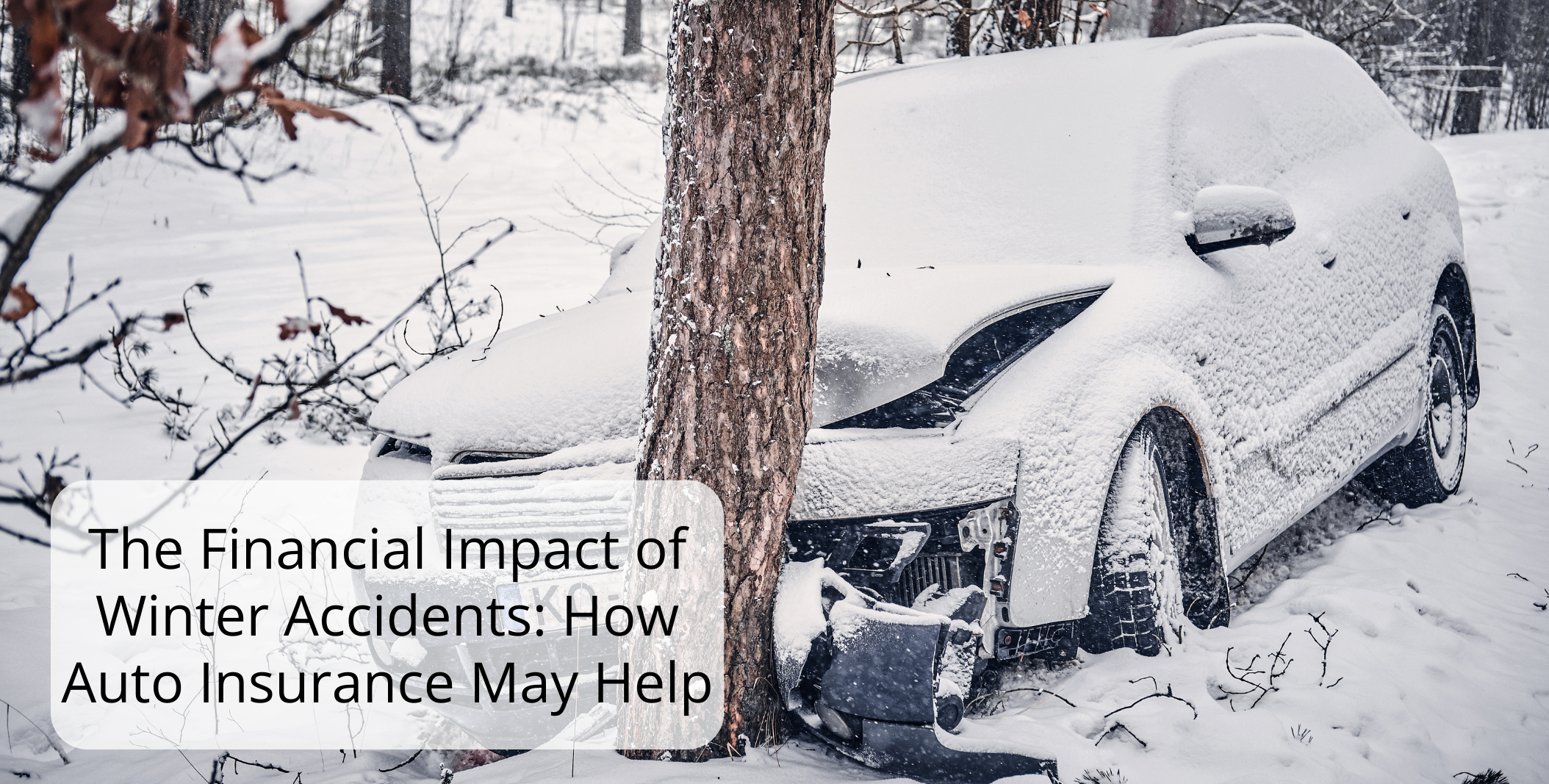
Winter weather can transform a familiar commute into a challenging experience. Between black ice, reduced visibility, and heavy snowfall, the risk of road incidents typically increases during the colder months. Beyond the immediate stress of an accident, the potential financial consequences—ranging from vehicle repairs to medical bills—can be significant.
Understanding how different types of auto insurance generally function can help individuals prepare for the financial unpredictability of winter driving.
Common Winter Hazards and Potential Costs
Winter conditions often lead to specific types of damage that carry varying price tags. Without the appropriate coverage in place, these costs are often the responsibility of the vehicle owner.
- Loss of Traction: Sliding on ice can lead to collisions with guardrails, trees, or other vehicles. Even low-speed “fender benders” can result in thousands of dollars in bodywork.
- Falling Objects: Heavy ice accumulation can cause tree limbs to snap or ice chunks to fall from buildings, potentially damaging windshields or car roofs.
- Pothole Encounters: The freeze-thaw cycle often creates deep potholes. Hitting one can lead to immediate tire failure or long-term suspension issues.
- Multi-Vehicle Incidents: Pileups are more frequent in snowy conditions, often leading to complex claims involving multiple parties.
How Coverage Typically Functions in Winter
Insurance policies are generally composed of several different “parts,” each designed to address specific types of financial loss.
Liability Coverage
If a driver is determined to be at fault for an accident—for example, if they were unable to stop in time on a slushy road and hit another car—liability coverage typically helps pay for the other party’s property repairs and medical expenses. This coverage is generally required by law in most states.
Collision Coverage
Collision coverage is the portion of a policy that may help pay for repairs to your own vehicle if it is damaged in an accident, regardless of who is at fault. This often includes single-vehicle accidents, such as sliding off an icy road into a ditch.
Comprehensive Coverage
Not all winter damage occurs while driving. Comprehensive coverage usually applies to “acts of nature” or events outside of the driver’s control. This might include damage from a falling icicle or a tree limb that breaks under the weight of heavy snow while the car is parked.
Roadside Assistance
Many drivers choose to add Roadside Assistance to their policies. In winter, this can be particularly helpful for services like battery jump-starts in extreme cold, winching a vehicle out of a snowbank, or towing a disabled car to a repair shop.
Managing the Financial Risk
While insurance provides a safety net, the specific details of a policy, such as deductibles and coverage limits, play a major role in the final financial outcome.
- Evaluating Deductibles: Choosing a higher deductible often lowers the premium, but it means paying more out-of-pocket if a claim occurs. It may be helpful to review whether your deductible is an amount you are comfortable paying in an emergency.
- Reviewing Policy Limits: As the cost of vehicle technology and medical care increases, some drivers choose to increase their liability limits to better protect their personal assets.
- Seasonal Maintenance: While not an insurance product, taking preventive steps (like installing winter tires or replacing worn wiper blades) can help reduce the likelihood of needing to file a claim in the first place.
Final Thoughts
Winter accidents can happen to even the most cautious drivers. While it is impossible to eliminate every risk, having a clear understanding of your insurance options can help mitigate the financial impact of the season.
Because every policy is different and state laws vary, it is often useful to discuss your specific needs with an insurance professional. They can help review your current coverage and explain how various options might apply to your unique situation.
Disclaimer: The information provided in this article is for educational purposes only. This is not an all-inclusive list of coverages or exclusions, and coverage can vary significantly by policy and circumstances. It is important to consult with a qualified insurance professional for advice tailored to your specific circumstances.